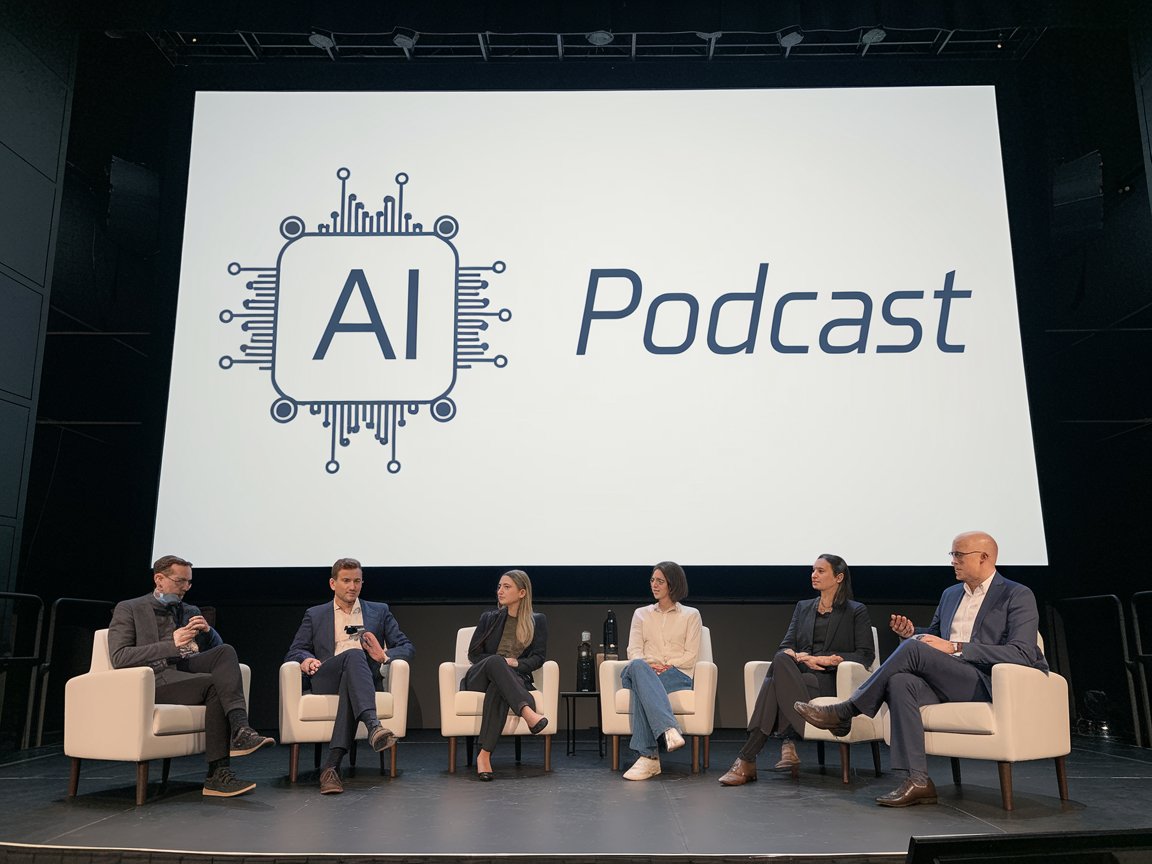
AIdeaFlow: Navigating Ethical Considerations in Voice Cloning
Voice cloning technology has rapidly evolved, enabling the creation of lifelike audio that can mimic the voice of real individuals. This incredible capability raises significant ethical considerations, particularly in how this technology is used and the implications it has on privacy, consent, and authenticity. As the landscape of audio content creation shifts towards AI-driven solutions, it is essential to navigate these ethical waters carefully. This blog post explores the ethical considerations surrounding voice cloning and highlights how AIdeaFlow, a leading platform for AI-powered podcasts and audio content, can help creators make responsible choices.
Understanding Voice Cloning
Voice cloning technology utilizes advanced machine learning algorithms to replicate human voice characteristics.
- Deep Learning Models: These models analyze audio samples to capture unique vocal traits.
- Applications: Voice cloning is used in various sectors, including entertainment, education, and customer service.
- Accessibility: Provides opportunities for those who may have lost their ability to speak.
The Rise of AIdeaFlow
AIdeaFlow is a cutting-edge platform designed to facilitate the creation of AI-powered podcasts and audio content.
- User-Friendly Interface: Simplifies the process of generating high-quality audio.
- Customization Options: Allows users to choose voice profiles, tones, and accents for a personalized touch.
- Ethical Framework: Emphasizes responsible usage of voice cloning technology, encouraging transparency and consent.
Ethical Considerations in Voice Cloning
As voice cloning technology continues to advance, ethical concerns become increasingly prominent.
Consent and Ownership
One of the most crucial ethical considerations in voice cloning is obtaining consent from the individual whose voice is being cloned.
- Informed Consent: Individuals must fully understand how their voice will be used.
- Ownership Rights: Questions about who owns the rights to a cloned voice need to be addressed.
- Revocation of Consent: Users should have the ability to withdraw consent at any time.
Misinformation and Deception
Voice cloning can be misused to create misleading or harmful content.
- Deepfake Audio: Cloned voices can be used to produce fake news or impersonate individuals.
- Trust Erosion: The proliferation of cloned voices can lead to skepticism about audio content authenticity.
- Legal Implications: There may be legal repercussions for using someone's voice without permission.
The Impact on Privacy
The intersection of voice cloning technology and personal privacy is a critical area of concern.
Surveillance and Data Collection
Voice cloning technology can inadvertently contribute to privacy invasions.
- Data Harvesting: Collecting voice data without consent can lead to privacy infringements.
- Surveillance Risks: Cloned voices can be used in scams or to deceive individuals.
- Secure Data Practices: Platforms like AIdeaFlow must prioritize secure data handling protocols.
Identity Theft and Fraud
The potential for voice cloning to facilitate identity theft is alarming.
- Impersonation Risks: Cloned voices can be used to impersonate individuals in financial transactions.
- Protective Measures: Implementing verification layers can help mitigate these risks.
- Awareness Campaigns: Educating users about the dangers of voice cloning is essential.
Authenticity and Trust
The use of voice cloning technology raises questions about authenticity in audio content.
Maintaining Authentic Voices
Authenticity is vital in maintaining trust with audiences.
- Transparency: Clearly indicating when AI-generated content is used can build trust.
- Balancing Act: Creators must find a balance between innovation and authenticity.
- Quality Control: Ensuring high-quality content while respecting ethical boundaries is crucial.
The Role of AIdeaFlow
AIdeaFlow plays an important role in promoting ethical practices in voice cloning.
- Guidelines for Creators: Provides resources and guidelines for responsible voice usage.
- Community Engagement: Encourages discussions around ethical considerations in voice cloning.
- Feedback Mechanisms: Allows users to report misuse of voice cloning technology.
Legal Frameworks and Regulations
The evolving nature of voice cloning technology necessitates a robust legal framework.
Current Regulations
Understanding existing laws is essential for responsible voice cloning.
- Intellectual Property Laws: Current laws may not adequately cover voice cloning rights.
- Privacy Legislation: Regulations like GDPR may apply to voice data usage.
- Future Legislation: Anticipating changes in regulations will be key for compliance.
International Perspectives
Global approaches to voice cloning ethics vary significantly.
- Regional Differences: Different countries have varying degrees of regulation regarding voice cloning.
- International Collaboration: Developing global standards can help address ethical concerns.
- Cultural Considerations: Understanding cultural perspectives on voice and identity is essential.
The Future of Voice Cloning Ethics
As technology continues to advance, the ethical landscape will evolve.
Emerging Trends
Awareness of ethical considerations is growing among developers and users.
- Increased Transparency: More platforms, like AIdeaFlow, are advocating for ethical usage.
- User Empowerment: Providing users with tools to manage their voice data is becoming standard.
- Community Standards: The establishment of community-driven ethical standards is on the rise.
Continuous Education
Ongoing education is vital for navigating the ethical complexities of voice cloning.
- Training Programs: Workshops and courses on ethical AI usage can benefit creators.
- Public Awareness: Raising awareness about the implications of voice cloning technology.
- Collaborative Efforts: Engaging stakeholders in discussions to shape ethical practices.
Conclusion
Voice cloning technology presents incredible opportunities for creativity and innovation, but it also raises significant ethical considerations that must be addressed. As platforms like AIdeaFlow continue to empower creators with AI-driven audio content solutions, ethical usage must remain a priority. By navigating the complexities of consent, privacy, authenticity, and legal frameworks, we can harness the potential of voice cloning responsibly and ethically. As we move forward, fostering a culture of awareness, education, and transparency will be essential to ensure that voice cloning technology serves humanity positively.