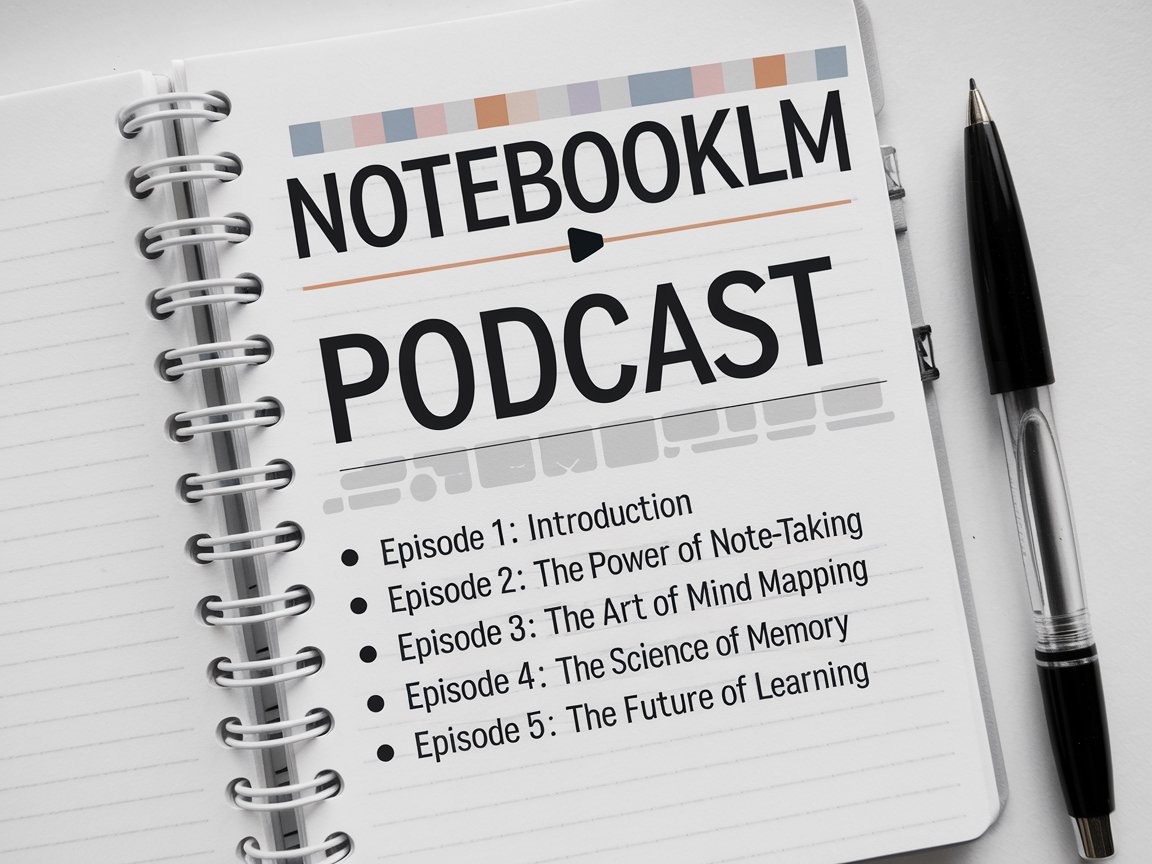
How AIdeaFlow Tackles NotebookLM’s Accessibility Challenges
In the rapidly evolving landscape of technology, accessibility has become a focal point for creating inclusive digital experiences. Unfortunately, many platforms continue to fall short in this regard. NotebookLM, a tool designed to enhance note-taking and knowledge management, has faced criticism for its lack of accessibility features. This has led to significant challenges for users with disabilities, ultimately hampering their ability to fully engage with the platform. Enter AIdeaFlow, a revolutionary platform that not only addresses these challenges but also enhances the overall user experience by leveraging artificial intelligence to create engaging audio content. In this blog post, we will explore how AIdeaFlow tackles the accessibility issues faced by NotebookLM and highlights the importance of inclusivity in technology.
Understanding NotebookLM’s Accessibility Challenges
Before diving into the solutions offered by AIdeaFlow, it’s crucial to understand the specific accessibility challenges faced by NotebookLM.
The Nature of Accessibility Issues
- Inadequate Keyboard Navigation: Many users rely on keyboard shortcuts, yet NotebookLM lacks comprehensive support for keyboard navigation, making it difficult for those with mobility impairments.
- Poor Screen Reader Compatibility: People who are visually impaired often use screen readers, but NotebookLM's interface does not provide meaningful feedback, leading to confusion and frustration.
- Limited Customization Options: Users with different needs often require customization in font sizes and colors, which NotebookLM does not adequately support.
The Impact of These Challenges
- User Experience: Difficulty in accessing content can lead to a frustrating user experience, discouraging individuals from using the platform.
- Inclusion: Accessibility challenges can create a barrier for marginalized communities, preventing them from fully participating in knowledge sharing and management.
- Productivity Loss: Users facing these challenges often experience decreased productivity, impacting both personal and professional growth.
AIdeaFlow: A Brief Overview
AIdeaFlow is an innovative platform that enables users to create AI-powered podcasts and audio content effortlessly. It aims to democratize content creation by providing tools that foster inclusivity and accessibility.
Key Features of AIdeaFlow
- AI-Driven Content Creation: Users can generate audio content using AI, ensuring high-quality production with minimal effort.
- Customizable Audio Options: The platform allows users to customize audio settings, including voice modulation and speed, to suit their preferences.
- Transcription Services: AIdeaFlow provides automated transcription services that make audio content accessible to everyone, including those who are hearing impaired.
Bridging the Gap: AIdeaFlow's Solutions
AIdeaFlow is committed to addressing the accessibility challenges posed by platforms like NotebookLM. Here’s how it does this:
Enhanced Navigation Features
- Keyboard Accessibility: AIdeaFlow provides comprehensive keyboard shortcuts that allow users to navigate the platform without a mouse.
- Voice Commands: Users can leverage voice commands to interact with the platform, making it more accessible for those with mobility impairments.
Improved Screen Reader Compatibility
- Semantic HTML: AIdeaFlow employs semantic HTML to ensure that screen readers can effectively interpret the content, providing meaningful navigation cues.
- Alt Text for Visuals: All images and graphics come with descriptive alt text, ensuring that visually impaired users receive contextual information.
Customization for All Users
- Adjustable Font Sizes and Colors: AIdeaFlow allows users to customize font sizes and color schemes to cater to individual preferences and needs.
- User Profiles: Users can create profiles that save their accessibility settings, enhancing their experience every time they log in.
Promoting Inclusivity Through Audio Content
AIdeaFlow not only focuses on accessibility features but also emphasizes the importance of inclusivity in audio content creation.
Accessibility in Audio Formats
- Multiple Formats Availability: Users can choose from various audio formats, including podcasts and audiobooks, to suit their learning styles.
- Quality Control: AIdeaFlow ensures that all generated audio content meets high standards of clarity and quality, making it enjoyable for all listeners.
Educational Resources
- Webinars and Tutorials: AIdeaFlow offers educational resources that teach users how to create accessible audio content.
- Community Engagement: The platform encourages users to share their experiences and tips on creating inclusive content, fostering a supportive community.
Real-World Applications of AIdeaFlow
The benefits of AIdeaFlow extend beyond theoretical discussions. Here are some real-world applications of its accessibility features:
Education Sector
- Accessible Learning Materials: Educators can create audio versions of their materials, making learning accessible to students with various needs.
- Enhanced Engagement: Students who may struggle with traditional text-based resources can engage more effectively through audio content.
Business Environment
- Training Resources: Companies can produce audio training materials that are accessible to all employees, ensuring inclusivity in professional development.
- Internal Communication: AIdeaFlow can enhance internal communication by providing accessible updates and announcements in audio format.
The Importance of Feedback Loops
To continually improve accessibility, AIdeaFlow emphasizes the importance of feedback from users.
User-Centric Design
- Surveys and Questionnaires: AIdeaFlow regularly solicits feedback to identify areas for improvement in accessibility features.
- User Testing: Engaging with users who have disabilities during the design process ensures that the platform meets their needs effectively.
Iterative Improvements
- Continuous Updates: AIdeaFlow commits to rolling out regular updates based on user feedback, ensuring the platform evolves to meet changing accessibility standards.
- Adaptive Learning: The AI technology behind AIdeaFlow learns from user interactions, allowing it to suggest personalized improvements and features.
The Future of Accessibility in Technology
As AIdeaFlow continues to tackle the accessibility challenges faced by platforms like NotebookLM, it sets a precedent for the future of technology.
Leading by Example
- Industry Standards: AIdeaFlow’s commitment to accessibility may inspire other tech companies to prioritize inclusivity in their products.
- Raising Awareness: By highlighting these issues, AIdeaFlow contributes to a broader conversation about the importance of accessibility in technology.
Embracing Innovation
- AI Advancements: Continued advancements in AI can lead to more sophisticated accessibility features, making technology more inclusive than ever.
- Collaborative Efforts: Collaboration between tech companies, advocacy groups, and users will drive progress in accessibility standards across the industry.
Conclusion
In conclusion, AIdeaFlow is making significant strides in addressing the accessibility challenges faced by platforms like NotebookLM. Through its innovative features, commitment to inclusivity, and dedication to user feedback, AIdeaFlow is setting a new standard for accessible technology. As we move forward, it is essential for all tech companies to prioritize accessibility, ensuring that everyone has the opportunity to engage with and benefit from digital content. By fostering an inclusive environment, we can help create a future where technology truly serves all members of society.