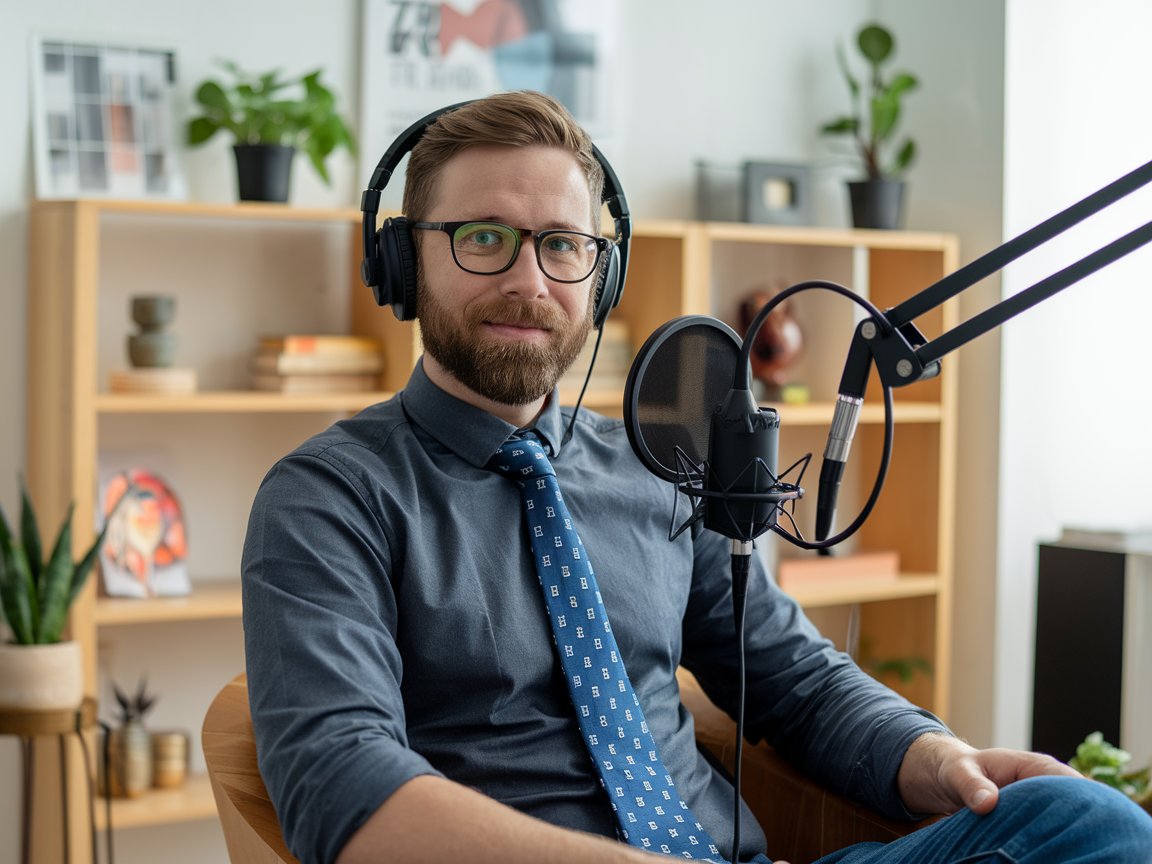
Navigating Voice Cloning Ethics: Insights from AIdeaFlow
In recent years, advancements in artificial intelligence (AI) have made voice cloning technology increasingly accessible and sophisticated. While this innovation opens up exciting opportunities, it also raises significant ethical concerns. From identity theft to misinformation, the implications of voice cloning stretch beyond the technology itself. This blog post delves into the ethical considerations surrounding voice cloning and offers insights from AIdeaFlow, a platform dedicated to creating AI-powered podcasts and audio content.
Understanding Voice Cloning
Voice cloning refers to the process of using AI algorithms to replicate a person's voice. This technology can create realistic audio that mimics the vocal characteristics of an individual, allowing machines to speak in that person's voice.
Key Features of Voice Cloning
- Realism: High-quality voice cloning can produce audio that sounds nearly indistinguishable from the original speaker.
- Versatility: Voice cloning can be used for various applications, including entertainment, accessibility, and marketing.
- Ease of Use: Many voice cloning tools are user-friendly, allowing even non-technical users to create voice replicas.
Ethical Concerns in Voice Cloning
As voice cloning technology evolves, ethical dilemmas arise that must be addressed to ensure responsible use.
Identity Theft
- Misuse of Voice: Cloned voices can be used to impersonate individuals for fraudulent activities, such as scams or identity theft.
- Reputation Damage: Individuals may suffer reputational harm if their voice is cloned and used inappropriately.
Consent and Ownership
- Lack of Consent: Cloning a voice without the individual's consent raises significant ethical issues.
- Ownership Questions: Determining who owns a cloned voice— the original speaker, the cloning company, or the user— remains a complex legal gray area.
The Role of AIdeaFlow in Voice Cloning
AIdeaFlow is a pioneering platform that allows users to create AI-powered podcasts and audio content, leveraging voice cloning technology to enhance the user experience.
Features of AIdeaFlow
- User-Friendly Interface: AIdeaFlow provides an intuitive platform for users to create audio content with minimal technical expertise.
- Diverse Voice Options: Users can choose from a range of voice clones, enabling unique and engaging content creation.
- Customization: AIdeaFlow allows for voice customization, enabling users to adjust tone, pitch, and speed to fit their content needs.
The Impact of Voice Cloning on Content Creation
Voice cloning has transformed content creation, particularly in podcasting and audio production, providing a new avenue for creativity.
Benefits for Creators
- Efficiency: Creators can produce audio content quickly, reducing the time and resources needed for traditional voiceovers.
- Accessibility: Voice cloning provides opportunities for individuals with disabilities to create content without needing traditional voice resources.
Potential Drawbacks
- Quality Control: The ease of creating content may lead to a proliferation of low-quality audio that lacks authenticity.
- Saturation of Content: The accessibility of voice cloning could lead to an oversaturated market, making it challenging for creators to stand out.
Regulatory Landscape
As voice cloning technology evolves, regulatory frameworks lag behind, raising questions about the need for governance in this space.
Current Regulations
- Data Protection Laws: Existing data protection laws like GDPR may apply to voice cloning, particularly concerning consent and personal data.
- Copyright Issues: Legal frameworks surrounding copyright in voice cloning remain underdeveloped, leading to confusion and potential misuse.
Proposed Solutions
- Clear Guidelines: Establishing clear ethical guidelines for voice cloning usage can help mitigate risks.
- Legislation: Governments may need to introduce specific legislation addressing voice cloning technology and its implications.
Ethical Usage of Voice Cloning
Navigating the ethical landscape of voice cloning requires a commitment to responsible use and adherence to ethical guidelines.
Best Practices for Users
- Obtain Consent: Always secure consent from the individual whose voice is being cloned.
- Transparency: Clearly communicate when AI-generated voices are used in content to maintain trust with audiences.
Corporate Responsibility
- Ethical Standards: Companies developing voice cloning technologies should establish and follow ethical standards.
- Ongoing Education: Providing resources and training on ethical practices can help users understand the implications of voice cloning.
The Future of Voice Cloning Technology
Looking ahead, the future of voice cloning technology holds both promise and challenges that will shape its ethical landscape.
Advancements on the Horizon
- Improved Accuracy: Ongoing research will likely lead to even more accurate voice cloning technology.
- Integration with Other Technologies: Voice cloning may integrate with virtual reality and augmented reality, creating immersive experiences.
Challenges to Address
- Ethical Dilemmas: As technology evolves, new ethical dilemmas will arise, necessitating ongoing dialogue and regulation.
- Public Perception: Building public trust in voice cloning technology will be critical in its continued adoption.
Case Studies in Voice Cloning Ethics
Examining real-world examples can illuminate the ethical challenges and considerations surrounding voice cloning.
Positive Case Study: Accessibility Enhancements
- Voice Cloning for Disabilities: Organizations have used voice cloning to create personalized voices for individuals with speech impairments, enhancing communication.
Negative Case Study: Impersonation Scams
- Voice Cloning in Fraud: Reports of scams using cloned voices to impersonate loved ones highlight the potential dangers of this technology.
Conclusion
Voice cloning technology presents a double-edged sword, offering incredible potential for creativity and efficiency while posing significant ethical challenges. As we continue to navigate this complex landscape, platforms like AIdeaFlow play a crucial role in fostering responsible use and promoting ethical practices. By adhering to guidelines, securing consent, and remaining transparent, we can harness the power of voice cloning while minimizing the risks. The journey ahead requires collaboration between technologists, ethicists, and policymakers to ensure that voice cloning serves the greater good, rather than becoming a tool for exploitation.