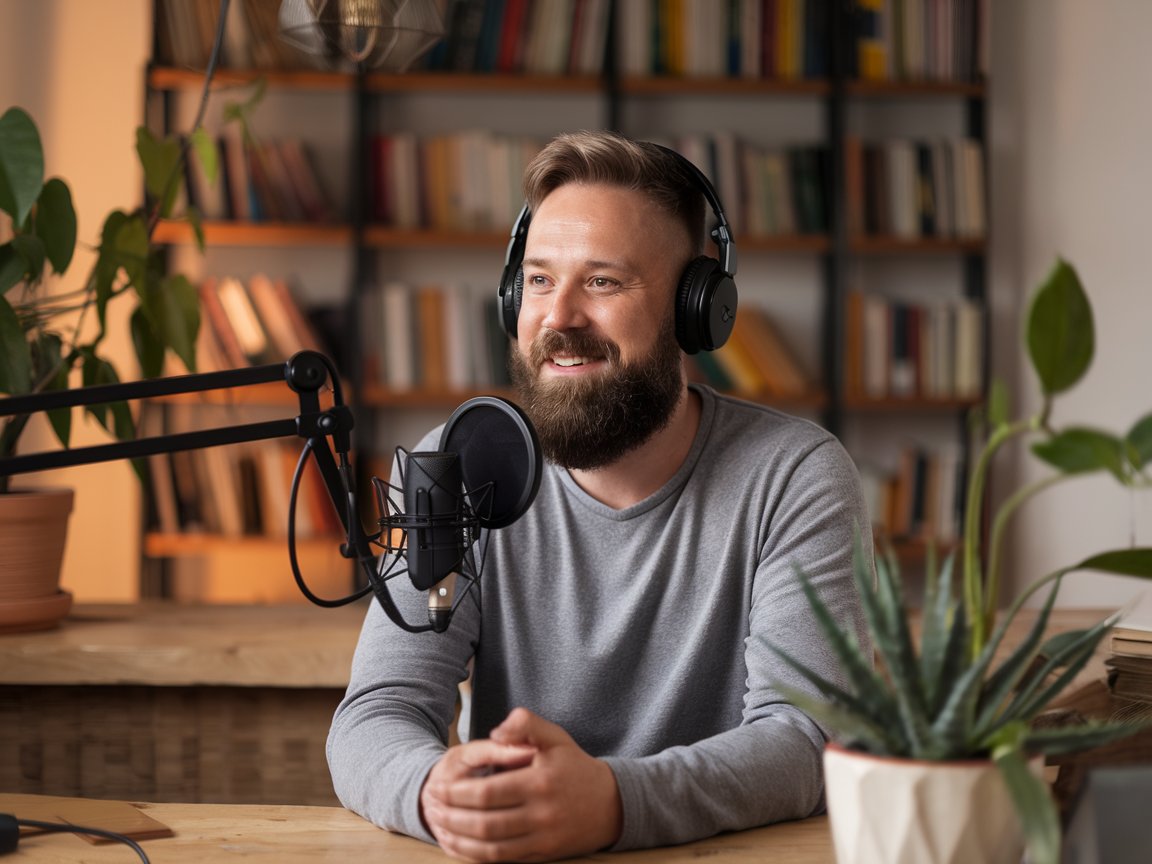
Voice Cloning Ethics: Navigating AIdeaFlow's Impact on Content Creation
In recent years, advancements in artificial intelligence have led to the emergence of voice cloning technology, which enables the replication of human voices with remarkable accuracy. While voice cloning holds the potential to revolutionize content creation, it also raises significant ethical considerations that demand our attention. This blog post explores the multifaceted ethical landscape of voice cloning, particularly in the context of AIdeaFlow—a platform that harnesses AI to create engaging podcasts and audio content.
Understanding Voice Cloning
What is Voice Cloning?
- Voice cloning refers to the use of AI to replicate a person's voice.
- It involves analyzing audio samples of the target voice and generating new speech that sounds like the original speaker.
- Applications range from entertainment and marketing to accessibility tools.
How Voice Cloning Works
- Machine learning algorithms analyze vocal characteristics, including tone, pitch, and cadence.
- The technology uses deep learning models to synthesize speech.
- Voice cloning can be performed with limited data, making it accessible for various users.
The Rise of AIdeaFlow
Introduction to AIdeaFlow
- AIdeaFlow is a cutting-edge platform designed for content creators seeking to produce AI-powered audio content.
- The platform offers tools for voice cloning, enabling users to create podcasts and audiobooks with customized voices.
- AIdeaFlow aims to democratize content creation, making it easier for non-experts to leverage AI technology.
Key Features of AIdeaFlow
- User-Friendly Interface: Simplifies the audio creation process for users.
- Voice Customization: Allows users to select or create unique voice profiles.
- Integration Capabilities: Connects with other content creation tools for a seamless experience.
Ethical Considerations Surrounding Voice Cloning
Ownership and Consent
- The ethical use of voice cloning requires explicit consent from individuals whose voices are being cloned.
- Consideration must be given to ownership rights of the cloned voice.
- Misuse of voice cloning can lead to unauthorized representation of an individual.
Authenticity and Trust
- Voice cloning raises questions about the authenticity of content.
- Consumers may struggle to trust audio content that could be fabricated.
- The potential for deception increases with advancements in voice cloning technology.
The Impact on Content Creation
Democratization of Content Creation
- Voice cloning technology has made it easier for individuals to create high-quality audio content.
- Non-professionals can produce podcasts or audiobooks without needing advanced recording equipment.
- This democratization can lead to a more diverse range of voices in media.
Quality vs. Ethics
- While voice cloning can enhance the quality of content, ethical implications must be weighed against the benefits.
- Content creators must consider the potential consequences of using cloned voices.
- Ethical standards should be developed to guide responsible use of technology.
Applications of Voice Cloning in Various Industries
Entertainment and Media
- Voice cloning can be used to create audiobooks, animated characters, and film dubbing.
- It has the potential to revolutionize voice acting by enabling actors to create multiple character voices.
- Ethical guidelines are essential to prevent the exploitation of voice actors.
Marketing and Advertising
- Brands can use voice cloning to create personalized advertisements.
- Customized messages can enhance consumer engagement and brand loyalty.
- The ethical use of cloned voices in advertising must prioritize transparency and consent.
Accessibility
- Voice cloning technology can aid individuals with speech impairments by providing them with a voice.
- Customizable voices can enhance communication for those who have lost their ability to speak.
- Ethical considerations should focus on ensuring that users have control over their cloned voice.
Regulatory and Legal Framework
Current Landscape
- There is a lack of comprehensive regulations governing voice cloning technology.
- Existing laws related to intellectual property and privacy may not adequately address voice cloning.
- Industry stakeholders are calling for clearer guidelines to protect individuals and creators.
Potential Legal Reforms
- Development of laws that require explicit consent for voice cloning.
- Establishing intellectual property rights for cloned voices.
- Creating accountability measures for misuse of voice cloning technology.
The Role of Content Creators
Ethical Responsibility
- Content creators must prioritize ethical considerations when using voice cloning tools.
- Transparency about the use of voice cloning should be standard practice.
- Creators should educate themselves on the legal and ethical implications of their work.
Building Trust with Audiences
- Establishing clear communication about the use of AI-generated voices can help build audience trust.
- Creators can enhance credibility by disclosing when a voice is cloned or synthesized.
- Fostering an open dialogue about technology's impact on content creation can promote ethical practices.
Future of Voice Cloning
Innovations on the Horizon
- Continued advancements in AI technology will likely improve the realism of voice cloning.
- New applications may emerge, further integrating voice cloning into everyday life.
- Ethical considerations will need to evolve alongside technological advancements.
The Importance of Public Discourse
- Ongoing conversations about the ethics of voice cloning are crucial as the technology advances.
- Engaging diverse stakeholders—including ethicists, technologists, and the public—can lead to balanced perspectives.
- Collective efforts can pave the way for responsible innovation in content creation.
Conclusion
Voice cloning technology, particularly as exemplified by platforms like AIdeaFlow, presents exciting opportunities for content creators while also posing significant ethical challenges. As we navigate this rapidly evolving landscape, it is essential to prioritize ownership, authenticity, and transparency. By fostering a culture of ethical awareness and responsible use, we can harness the benefits of voice cloning while mitigating its risks. The future of content creation lies in our ability to balance innovation with ethical considerations, ensuring that technology serves to enhance rather than undermine the trust and integrity of our communications.