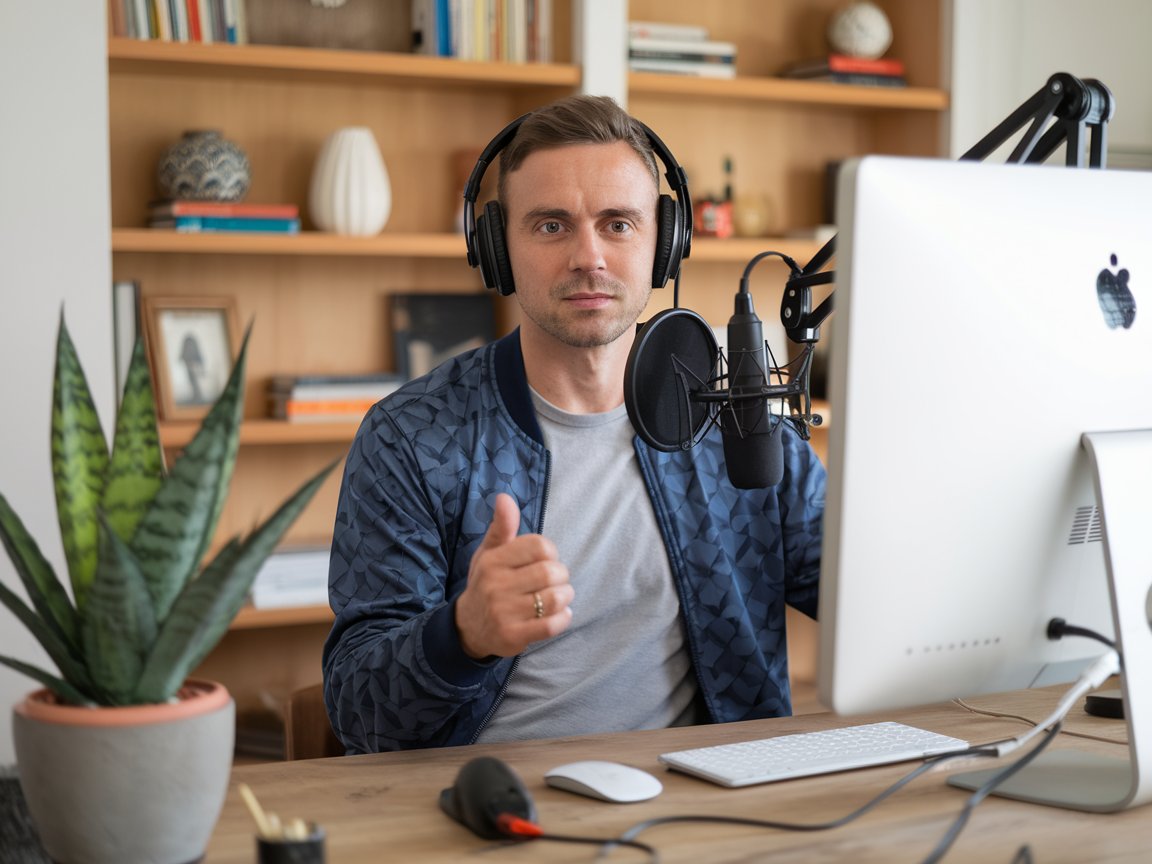
Voice Cloning Ethics: Navigating AIdeaFlow's Innovative Terrain
In the rapidly evolving landscape of artificial intelligence, voice cloning technology has emerged as both a marvel and a concern. This revolutionary capability enables the replication of a person’s voice with astonishing accuracy, raising important ethical questions that demand our attention. As we delve into the innovative terrain of voice cloning, particularly through platforms like AIdeaFlow—an AI-powered podcasting and audio content creation tool—we must carefully examine the ethical implications that accompany this technology.
Understanding Voice Cloning
Voice cloning refers to the process of generating a synthetic voice that mimics a specific individual's speech patterns, tone, and inflection. This technology operates on advanced algorithms and deep learning models, creating a representation that can be indistinguishable from the original speaker.
Key Features of Voice Cloning
- Realism: High fidelity in mimicking emotional nuances and speech characteristics.
- Accessibility: Enables content creation for those with speech impairments or disabilities.
- Efficiency: Reduces the time and cost involved in traditional voice recording processes.
The Rise of AIdeaFlow
AIdeaFlow is a groundbreaking platform that harnesses the power of AI for creating podcasts and audio content. By integrating voice cloning technology, it allows users to generate audio content quickly and efficiently.
Unique Offerings of AIdeaFlow
- User-Friendly Interface: Simplifies the process of audio content creation.
- Customization: Users can choose from a variety of voice profiles or create their own.
- Integration: Seamlessly connects with other content creation tools and platforms.
Ethical Considerations in Voice Cloning
As voice cloning technology becomes more accessible, ethical considerations become paramount. Several key areas of concern include:
Consent and Ownership
- Informed Consent: Individuals must provide explicit consent before their voice can be cloned.
- Ownership Rights: Questions arise regarding who owns the rights to the cloned voice.
Misuse and Manipulation
- Deepfakes: Voice cloning can be exploited to create misleading audio content.
- Fraud and Deception: Cloned voices may be used for identity theft or scams.
The Impact on Employment
Voice cloning technology has significant implications for the job market, particularly in fields such as voice acting, broadcasting, and customer service.
Job Displacement Concerns
- Automation of Voice Roles: Increased reliance on AI-generated voices may reduce demand for human voice talent.
- Skill Shifts: Workers may need to adapt to new roles that complement AI technology.
Social and Cultural Implications
Voice cloning transcends technical boundaries to touch upon social and cultural dimensions.
Influence on Communication
- Personal Connections: Cloned voices can alter how we perceive authenticity in communication.
- Cultural Representation: There's a risk of misrepresentation of voices from diverse backgrounds.
Psychological Effects
- Trust Issues: The ability to clone voices may erode trust in audio content.
- Emotional Impact: Hearing a cloned voice of a loved one could evoke complex emotional responses.
Regulatory Frameworks and Policies
As the technology evolves, the need for regulatory frameworks becomes critical.
Current Regulations
- Data Protection Laws: Existing laws may offer some protection against misuse.
- Intellectual Property Rights: Guidelines for ownership of cloned voices are still evolving.
Future Considerations
- Proactive Regulations: New policies must be developed to address the unique challenges posed by voice cloning.
- International Cooperation: Global standards may be necessary to manage cross-border issues.
The Role of Developers
Developers and tech companies play a crucial role in ensuring that voice cloning technologies are implemented ethically.
Responsible Development Practices
- Ethical Guidelines: Establishing protocols for the ethical use of voice cloning technology.
- Transparency: Companies should be clear about how their technology works and its potential impacts.
Community Engagement
- User Education: Informing users about the ethical implications of voice cloning.
- Feedback Mechanisms: Encouraging public input on ethical considerations.
Case Studies: Successful and Unsuccessful Implementations
Examining real-world applications of voice cloning can provide valuable insights into ethical considerations.
Successful Applications
- Assistive Technologies: Helping individuals with speech impairments communicate more effectively.
- Creative Projects: Enabling artists to explore new forms of expression without the constraints of traditional voice recording.
Misuse Examples
- Political Misinformation: Instances where cloned voices have been used to create misleading statements.
- Scams: Cases of cloned voices being employed in identity theft schemes.
Navigating the Future of Voice Cloning
As we move forward, navigating the ethical landscape of voice cloning technology will require a collaborative effort.
Stakeholder Collaboration
- Industry Partnerships: Tech companies, policymakers, and ethicists must work together to address challenges.
- Public Awareness Campaigns: Raising awareness about the ethical implications of voice cloning can foster informed discussions.
Innovation with Integrity
- Balanced Approach: Encouraging innovation while prioritizing ethical standards.
- Sustainable Practices: Developing technology that respects individual rights and societal norms.
Conclusion
Voice cloning technology, exemplified by platforms like AIdeaFlow, holds immense potential for innovation in audio content creation. However, as we leverage these advancements, we must remain vigilant about the ethical considerations they entail. By fostering a culture of responsibility, transparency, and collaboration among stakeholders, we can navigate the innovative terrain of voice cloning while upholding the values that protect individuals and society. As we embrace this exciting frontier, the question remains: how will we choose to shape the future of voice cloning?